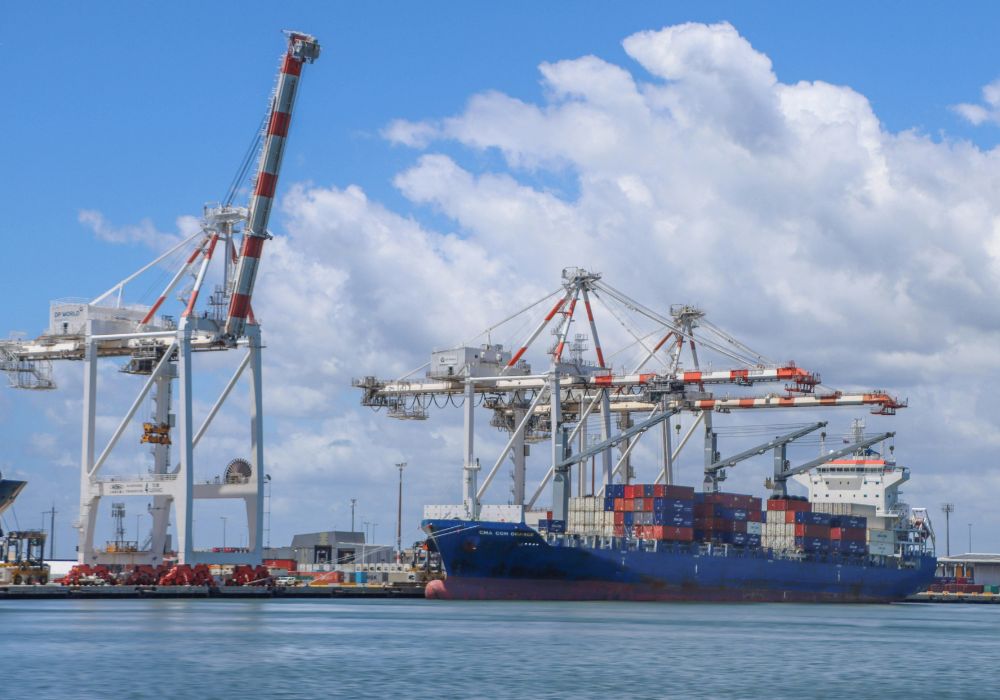

Global trade doesn’t move in a straight line—it moves through critical pressure points. One of the most important is the Strait of Hormuz, a narrow but vital shipping route that carries a significant share of the world’s oil and commercial goods.
When stability in this region is disrupted, the ripple effects can reach businesses thousands of miles away—including higher costs, delayed shipments, and increased pressure on supply chains. For companies that rely on imported goods, raw materials, or global distribution networks, even short-term disruptions can quickly turn into long-term challenges.
The Strait of Hormuz is one of the most strategically important waterways in the world. Because so much global energy and cargo passes through it, any tension or disruption in the region can immediately impact:
Even businesses that don’t directly import goods through the region can still feel the effects through increased freight costs and market volatility.
When shipping lanes face uncertainty, the impact rarely stays localized. Instead, it spreads through the supply chain:
For many businesses, these disruptions aren’t just inconvenient—they can directly affect revenue and operations.
This is where insurance planning becomes critical. Policies such as cargo insurance, marine coverage, and business interruption insurance can help protect against unexpected disruptions in global trade routes.
Key considerations for businesses include:
Having the right coverage in place won’t prevent disruption—but it can help reduce financial impact when it happens.
Global supply chains are more connected—and more vulnerable—than ever. Events in key regions like the Strait of Hormuz highlight how quickly conditions can change and how far those changes can reach.
For businesses, the goal isn’t to predict every disruption. It’s to be prepared for them.
That means:
At Sea Mountain Insurance, we help businesses prepare for uncertainty so they can stay focused on what they do best—running and growing their operations.