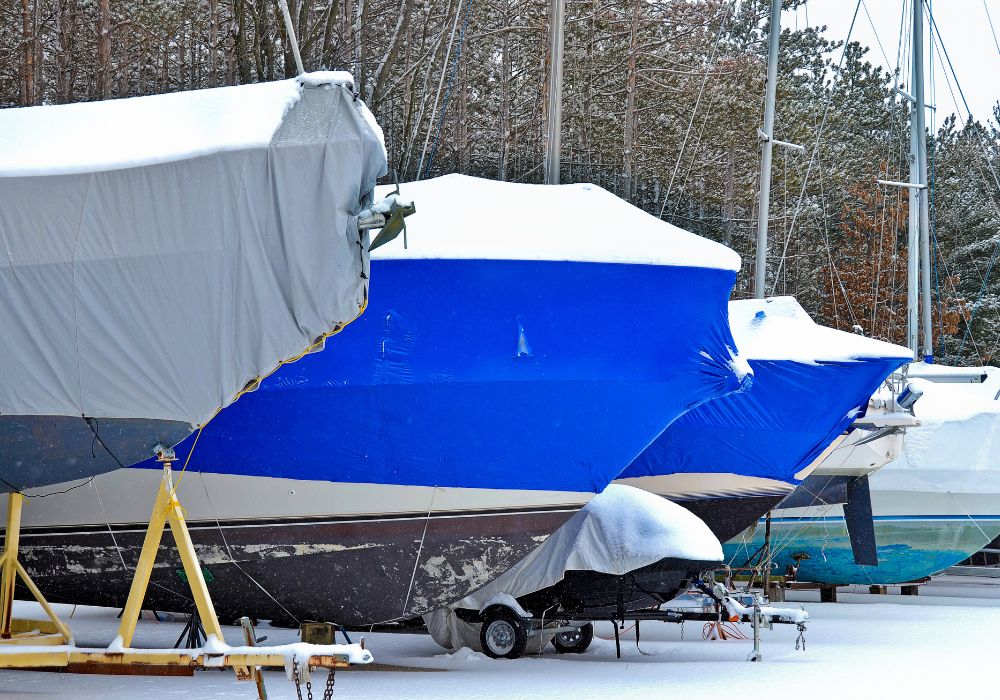

As the days get shorter and winter approaches, boat owners across the country are turning their attention to one critical task: preparing their vessels for the off-season. Winter brings ice, snow, freezing temperatures, and storms — all of which can cause costly damage if your boat isn't properly protected.
While most boaters think about simple steps like draining fuel or covering their vessel, there are a number of often-overlooked precautions that can save you thousands in repairs and insurance claims.
Here are 7 essential winter prep steps every boat owner should know.
Even if your engine runs perfectly now, winter storage can reveal weaknesses. Check belts, hoses, and clamps, and schedule a professional service if needed. Consider adding a fuel stabilizer and fogging the engine to prevent corrosion.
Why it matters: Frozen or degraded fuel and neglected engines are among the top causes of winter claims.
A standard cover may not be enough to protect against ice, snow, and strong winds. Ensure your cover is properly secured, made from durable material, and free of tears. Shrink-wrapping can provide extra protection, especially in regions with heavy snowfall.
Why it matters: Water intrusion or cover failure can lead to expensive interior and electronics damage.
Don't forget water tanks, pumps, and onboard plumbing. Drain all water and add antifreeze where appropriate. Even a small freeze can crack pipes, pumps, and water heaters.
Why it matters: Plumbing damage can cost thousands to repair — and is easily preventable.
GPS, depth finders, stereo systems, and other electronics should either be removed and stored indoors or properly covered and sealed. Humidity and cold can damage circuitry.
Why it matters: Electronics are expensive to replace, and many policies have limits on equipment coverage if not properly maintained.
Inspect your hull for cracks, blisters, or weak spots. Reapply anti-fouling paint if needed to prevent growth and corrosion during winter storage.
Why it matters: Water penetration or hull damage can compromise your vessel's integrity and your insurance coverage.
Disconnect, clean, and fully charge your batteries before storing them. Consider using a trickle charger to maintain battery health over the winter months.
Why it matters: Dead or damaged batteries can leave you with costly replacements and can affect electronic systems when the boat is relaunched.
Where your boat sleeps for the winter matters. Whether on a lift, trailer, or in a storage facility, ensure proper support, ventilation, and drainage. Avoid low spots where water can accumulate.
Why it matters: Improper storage leads to hull warping, water damage, and even theft or vandalism risk.
Winter prep isn't just about keeping your boat looking good — it's about avoiding preventable damage and protecting your investment. Taking these 7 overlooked steps can save you thousands in repairs, minimize insurance claims, and ensure your boat is ready to hit the water come spring.
At Sea Mountain Insurance, our marine specialists are here to help you navigate winter prep and coverage questions, so you can enjoy peace of mind while your vessel rests for the season.
Need help reviewing your policy or winter prep tips? Reach out to one of our marine experts today.