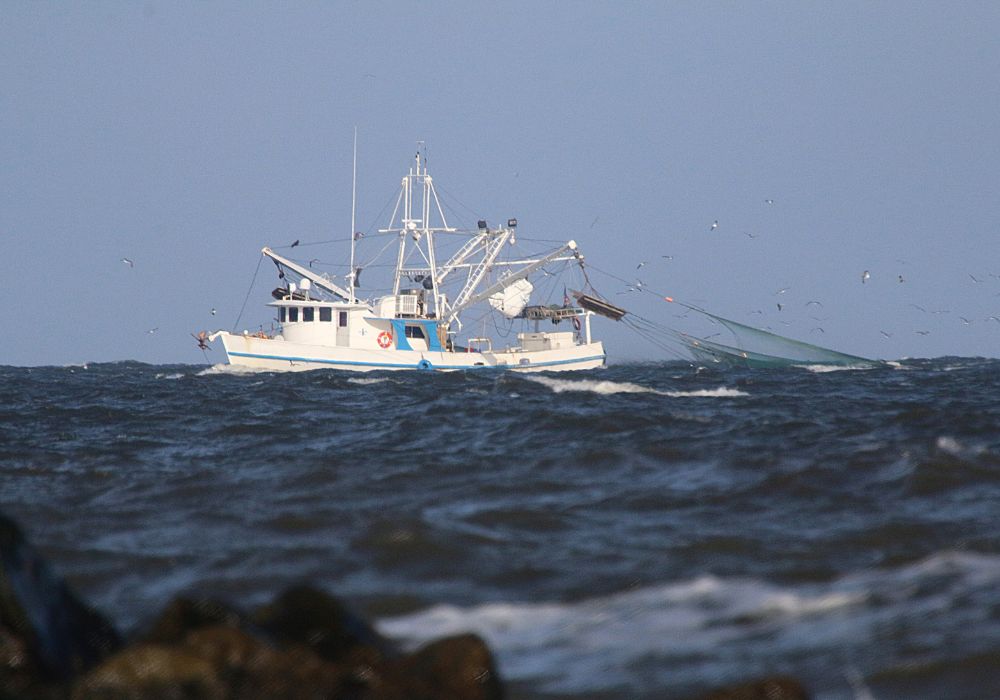
For many commercial fishing vessel owners, "home port" can be a long way from where the work happens. Whether you're fishing in Bristol Bay, the Gulf of Alaska, the Bering Sea, or along the Pacific Northwest coast, a breakdown or accident rarely happens at the most convenient time, or place.
When your vessel is hundreds of miles from home, the claims process can look a little different. Understanding what to expect can help reduce stress and keep things moving if the unexpected happens.
A damaged propeller in a remote harbor. A grounding in Alaska. An engine issue while working a fishing opener.
These situations can present unique challenges simply because of where they occur. Access to repair facilities, parts, marine surveyors, and even communication can be limited in remote fishing communities.
That's one of the reasons it's important to work with an insurance team that understands the realities of commercial fishing, not just insurance policies.
When your livelihood depends on getting back on the water, waiting days for a repair often isn't an option.
In some situations, emergency or temporary repairs may be necessary to protect the vessel from further damage or to make it safe for transport. However, before authorizing major repairs, it's important to communicate with your insurance provider whenever possible.
Your insurer may want to:
Every claim is different, but early communication can help prevent misunderstandings later in the process.
For larger or more complex claims, your insurance company may assign a marine surveyor.
A surveyor helps assess:
If your vessel is in a remote location, coordinating a survey can take additional time. In some cases, surveyors may travel to the vessel, while in others, documentation from local repair facilities and vessel owners can help move the process forward until an inspection can be completed.
If a vessel runs aground, partially sinks, or becomes disabled, salvage may be necessary before repairs can even begin.
Salvage operations can involve:
Because salvage costs can be significant, it's important to notify your insurance provider as quickly as possible so they can help coordinate the appropriate response.
One of the most valuable things you can do after an incident is document everything.
If it's safe to do so:
The more information you can provide, the easier it is for your insurance team to understand what happened and process your claim efficiently.
Remote locations can make communication more challenging, but staying in contact with your insurance agent and claims adjuster is one of the best ways to keep your claim moving.
If you're unsure whether to begin repairs, hire a tow, or authorize additional work, don't guess. A quick conversation with your insurance team can help clarify the next steps and prevent unnecessary delays.
Commercial fishing presents risks that most insurance policies never have to consider. Remote ports, seasonal fisheries, limited repair options, and unpredictable conditions all add layers of complexity when a claim occurs.
Working with an insurance agency that understands the commercial fishing industry means you'll have someone who understands those challenges and can help guide you through the claims process—whether your vessel is tied up at your home dock or hundreds of miles away in a remote Alaska harbor.
At Sea Mountain Insurance, we work with commercial fishing vessel owners throughout Alaska and the Pacific Northwest. We understand that marine claims aren't always straightforward, especially when they happen far from home.
If you have questions about your marine insurance coverage or want to make sure your policy is ready before the season is in full swing, our team is here to help you navigate the waters ahead with confidence.